
Have you ever wondered why we say Bless You after someone sneezes? It is a small phrase we hear almost every day. But the history behind Bless You is more interesting than most people realize. For generations, people have used Bless You as a kind and caring response.
The meaning of Bless You has changed over time. Old beliefs connected sneezing with health, protection, and good luck. Today, most people say Bless You as a polite and friendly response. But why did this simple habit begin, and why do we still say Bless You today?
A Sneeze Could Mean Your Soul Is in Danger
In old times, some people believed a sneeze had a deeper meaning. They thought the soul could become weak or leave the body during a sneeze. This belief helped make Bless You a common response. People used the phrase as a simple wish for safety and protection.
These ideas were based on fear and old traditions rather than modern science. Today, we know sneezing is a normal body reaction. It helps clear the nose and airways from irritants. Still, the old belief about danger helped shape the way people respond to sneezing.
The Plague Made It Worse

During times of serious disease, sneezing could cause real concern. People often connected sneezing with sickness and believed it could be an early warning sign. Saying Bless You became a way to show care for someone who sneezed. It also reflected the fear of illness that was common in those periods.
The tradition became stronger as people faced outbreaks and poor medical knowledge. A sneeze could make others worry about spreading disease. Bless You offered a quick and polite response during an uncertain time. Over the years, the phrase stayed in everyday speech even as medical understanding improved.
It’s Just Awkward If You Don’t Say…
Today, saying Bless You after a sneeze is mostly a social habit. Many people say it without thinking about its older meaning. If nobody responds, the moment can sometimes feel slightly awkward. This is especially common when people are used to hearing Bless You after every sneeze.
There is no rule that says you must say Bless You every time someone sneezes. Some people simply smile or ignore the sneeze. Others say Bless You because it feels polite and friendly. The custom continues because it is a small way to show kindness in everyday life.
How do people react to sneezes around the world?

People react to sneezes in different ways around the world. In many places, saying Bless You is still a common polite response. Some cultures use short wishes for health, while others stay quiet. These small customs often reflect local traditions and social habits.
In some countries, people may use words that mean good health or stay healthy. Others may simply smile or continue the conversation without saying anything. There is no single rule for responding to a sneeze. The meaning of Bless You can also change depending on culture and personal choice.
Do we need to rewrite the sneezing etiquette rules?
Sneezing etiquette has changed as daily life and social habits have changed. Today, people care more about hygiene and personal space than old beliefs. Covering a sneeze and washing your hands are now important parts of good manners. Saying Bless You can still be a friendly and thoughtful gesture.
There is no real need for strict rules about sneezing today. A simple Bless You is enough when it feels natural and polite. People can also choose not to respond if the situation does not call for it. Good sneezing etiquette is mainly about respect, health, and making others feel comfortable.
Why Do We Say Bless You After Someone Sneezes?

We say Bless You after someone sneezes because the phrase developed from old beliefs and traditions. In earlier times, people connected sneezing with illness, danger, and spiritual concerns. Saying Bless You became a way to wish someone safety and good health. The custom slowly became part of everyday social behavior.
Today, Bless You usually has a simple and friendly meaning. Most people do not say it because they believe a sneeze puts the soul in danger. They say Bless You because it is a familiar way to show kindness. Even though the old reasons have faded, the tradition continues in many parts of the world.
Where Did the Bless You Tradition Come From?
The Bless You tradition has roots in old beliefs about sneezing and health. In earlier times, people often saw a sneeze as a sign of illness or danger. Saying Bless You became a simple way to wish someone safety. The habit slowly became part of everyday social manners.
Over the years, the Bless You tradition spread through different communities and cultures. Its older religious meaning became less important for many people. Today, Bless You is often used as a polite and caring response. The tradition continues because it feels natural and friendly in daily life.
What Does Bless You Mean After a Sneeze?
After a sneeze, Bless You usually means a kind wish for good health and well being. Most people say it without thinking about its ancient history. The phrase can show care, politeness, and simple respect. It has become a familiar response in many everyday conversations.
The meaning of Bless You can also depend on the person and their culture. Some people may use it because of family habits or personal beliefs. Others simply say Bless You because it is a common social custom. Today, the phrase is usually friendly rather than a sign of fear.
The History Behind Saying Bless You

The history behind saying Bless You goes back to old beliefs about sneezing. People once saw a sneeze as something that could bring illness or danger. Saying Bless You was a simple way to wish someone safety and good health. Over time, this response became a common social habit.
The Bless You tradition continued as beliefs and customs changed over many years. Its original meaning became less important in everyday life. Many people now say Bless You without thinking about its ancient roots. Today, it is mostly a polite way to respond when someone sneezes.
Why Did People Start Saying Bless You?
People started saying Bless You because sneezing was once linked with sickness and danger. A sneeze could make others worry about a persons health. Saying Bless You showed care and offered a friendly wish for protection. This helped the phrase become part of normal conversation.
Religious beliefs also influenced how people viewed sneezing in earlier times. Some believed a blessing could protect a person from harm. As these ideas changed, the phrase remained popular through family and social traditions. Today, Bless You is usually said as a simple act of kindness.
How Sneezing Became Linked With Bless You
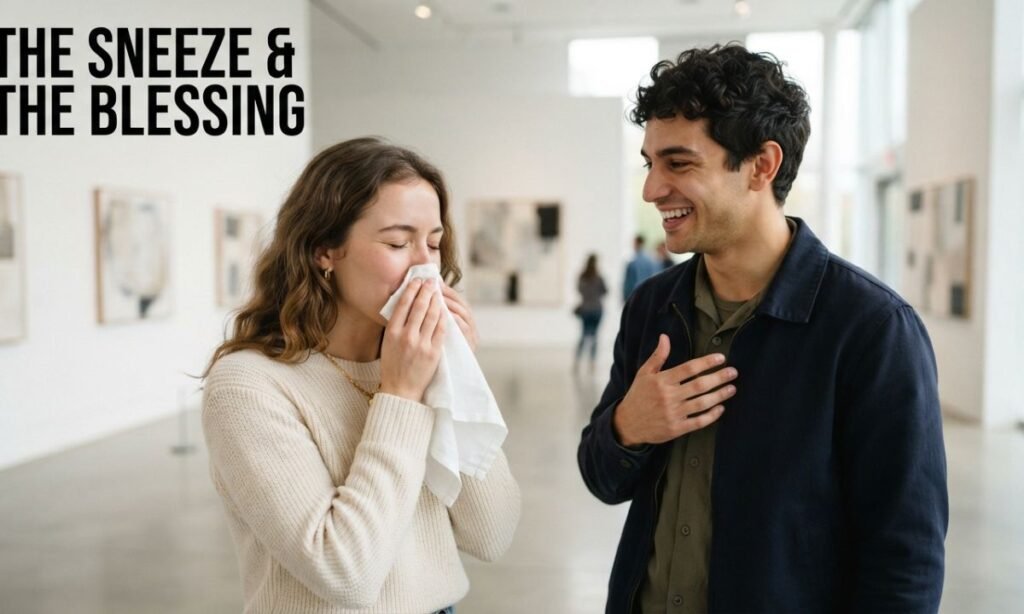
Sneezing became linked with Bless You because people gave special meaning to this sudden body reaction. In the past, many people did not understand why sneezing happened. They connected it with illness, spirits, or possible danger. A blessing seemed like a natural response during uncertain times.
As the tradition spread, saying Bless You became a normal part of sneezing etiquette. People passed the habit from parents to children through everyday conversations. Modern science has changed how we understand sneezing today. Still, Bless You remains a familiar and friendly response in many communities.
Did the Plague Influence the Bless You Tradition?
The plague may have helped make Bless You more common after sneezing. During serious outbreaks, people feared that a sneeze could be an early sign of illness. A blessing became a quick way to show concern and wish someone safety. However, the exact origin of Bless You cannot be linked to the plague alone.
The tradition continued even after people learned more about disease and health. Over time, the fear connected with sneezing became less important. Bless You remained as a familiar social response in many communities. Today, people usually say it out of kindness rather than fear of illness.
How Do People React to Sneezes Around the World?

People react to sneezes in different ways across cultures and countries. In many places, people say Bless You as a polite response. Some cultures use words that wish the person good health or happiness. Other people may simply smile and continue their conversation.
Sneezing customs can also depend on family habits and local traditions. Some people respond every time, while others prefer to say nothing. Modern etiquette often focuses on covering the sneeze and keeping good hygiene. Even so, Bless You remains a warm and familiar response for many people.
Is Saying Bless You Still Common Today?
Saying Bless You is still common in many places today. People often say it after a sneeze as a simple act of kindness. Most people do not think about the old beliefs behind the phrase. For many, Bless You is simply a familiar part of everyday conversation.
The custom can vary between families, cultures, and social groups. Some people always say Bless You, while others may stay quiet. Modern health habits have also changed how people respond to sneezing. Even so, Bless You remains a friendly phrase that many people still use.
Should We Still Say Bless You When Someone Sneezes?
There is no strict rule that says you must say Bless You after a sneeze. Saying Bless You can be a polite way to show care and good manners. It can also make the moment feel more natural in social settings. A simple Bless You is usually enough when you choose to say it.
People can also respond in other friendly ways when someone sneezes. A smile or a kind gesture can work just as well in many situations. Good sneezing manners now focus more on hygiene and covering the mouth. Still, saying Bless You remains a warm and harmless social custom.
Frequently Asked Questions
Why do we say Bless You after sneezing?
We say Bless You after sneezing to show kindness, care, and good wishes.
Where did the Bless You tradition begin?
The Bless You tradition began from old beliefs about sneezing, health, safety, and protection.
What does Bless You mean today?
Today, Bless You simply shows kindness, politeness, and friendly care after someone sneezes.
Is Bless You still common today?
Yes, Bless You is still common today and remains a familiar response after sneezing.
Did the plague influence saying Bless You?
The plague may have strengthened Bless You customs, but its exact origin has older roots.
Do people say Bless You around the world?
People use different responses worldwide, but Bless You remains common in many cultures.
Should we still say Bless You after sneezing?
Yes, saying Bless You is still a polite and friendly way to respond to sneezing.
Conclusion
Saying Bless You after a sneeze is a small habit with a long and interesting history The phrase Bless You was once linked with health safety and old beliefs Today Bless You is mostly a simple way to show kindness and care Most people say Bless You without thinking about its past
Whether you say Bless You every time or only sometimes the gesture remains friendly Bless You can make a small moment feel warm and polite The tradition has changed over time but Bless You is still common in many places today So the next time someone sneezes you may think differently before saying Bless You
